TOP
TOP

Ever noticed how some people walk into a room and instantly take charge, while others quietly rally the team from behind the scenes? That’s business leadership in action, shaping the way we solve problems, collaborate, and get results. The interesting part? You already have a style, but you just may not have put a name to it yet! That’s exactly where a Master of Business Administration (MBA) comes in.
An MBA is a postgraduate degree designed to develop well-rounded business leaders. It covers areas like strategy, finance, entrepreneurship, marketing, and management. But just as importantly, it helps you grow as a leader.
Join us as we explore the role of leadership in business education, the styles you’ll encounter (or develop), and how this self-awareness can unlock your full potential during your MBA journey.
Key Takeaways
- Your business leadership style influences how you communicate, solve problems, and grow.
- From visionary to adaptive, there are various approaches to business leadership. Your MBA can be a great place to explore and refine yours.
- Self-awareness can help boost teamwork, career alignment, and confidence while helping you develop targeted skills.
To make the most of your Master’s degree, focus on mastering the fundamentals, building genuine connections, and embracing every opportunity that comes your way.
Why Leadership Styles Matter in an MBA
Different Business Leadership Styles You’ll Encounter (or Embody)
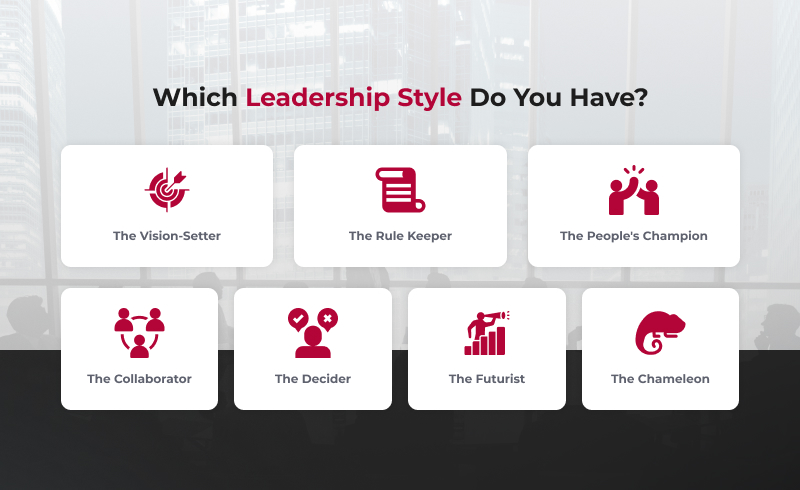
Business leadership isn’t one-size-fits-all. Some people thrive as visionaries who get everyone hyped about the future, while others bring structure to chaos and keep the wheels turning.
So, which one sounds like you?
1. The Vision-Setter (Transformational Leadership)
Do you love painting the big picture and inspiring others to chase it with you? You’re the hype engine in the room, energising your team with bold ideas. You’d thrive in innovation-driven spaces like entrepreneurship or change-heavy industries where imagination leads the way.
2. The Rule Keeper (Transactional Leadership)
Deadlines, KPIs, and clear processes? Yes, please. You believe teams work best when everyone knows the rules of the game. You tend to shine most in operations, finance, and structured environments where measurable results matter most.
3. The People’s Champion (Servant Leadership)
You put people first. Whether it’s building trust, boosting morale, or making sure everyone feels supported, you lead with empathy. This business leadership style makes you a natural fit for HR, coaching, or organisational development, areas where people are the heartbeat of success.
4. The Collaborator (Democratic Leadership)
You believe the best ideas come from the group. You crowdsource, encourage debate, and value consensus, making you the perfect fit for diverse, cross-functional teams where multiple perspectives shape stronger outcomes.
5. The Decider (Autocratic Leadership)
You’re the one who steps up in a crisis. Clear, direct, and decisive, you thrive when fast calls need to be made. However, this business leadership style works best when used sparingly; too much control can stifle creativity.
6. The Futurist (Visionary Leadership)
You’re always looking beyond the horizon. You set long-term goals and get others excited about the big picture. Individuals with this business leadership style thrives in start-ups, strategy-heavy industries, and roles that demand bold direction.
7. The Chameleon (Adaptive Leadership)
You adjust your style depending on who’s in the room and what’s happening. Sometimes you inspire, other times you organise, and sometimes you just listen. This flexibility makes you versatile and future-ready in a world that keeps changing.
The Benefits of Knowing Your Business Leadership Style Early

So, why does it matter if you figure out your business leadership approach before or during your MBA? The answer is simple: self-awareness is the foundation of growth, and it can act like a cheat code for making the most of the experience. Here’s how it plays out:
1. Stronger Team Contributions
Your MBA curriculum will likely consist of several group projects, which can be equal parts exciting and chaotic. If you know your style, you’ll know when to take the lead, when to sit back and listen, and when to step in as the mediator. For example, if you’re naturally decisive, you can step up when deadlines loom. If you’re more collaborative, you can smooth over tensions when debates get heated. Either way, you’re not just “in the group,” you’re actively shaping how the team works together.
2. Targeted Skill Development
Everyone has strengths, but leaders grow fastest when they face their weak spots head-on. Knowing your style helps you spot those gaps. A visionary might realise they need to sharpen their delegation skills, while a transactional leader could work on inspiring people instead of just monitoring results. Once you’re aware of these patterns, you can use your business administration course as a training ground to experiment, fail safely, and level up.
3. Personalised Learning
While your MBA will cover the basics, it may also offer a selection of electives and workshops. Knowing your business leadership style lets you choose where to double down or where to challenge yourself. For example, if you’re already a confident speaker, you might take a negotiation class to test your listening skills. Alternatively, if you’re great at structure, you might join a start-up incubator project to stretch your creativity.
4. Better Career Alignment
Different business leadership skills and styles fit different environments. Servant leaders often shine in human resource (HR) or learning and development (L&D) roles, while directive leaders may thrive in operations or project-heavy industries. Visionaries often gravitate toward start-ups or strategy. It’s no coincidence that Jeff Bezos’ visionary style worked perfectly in Amazon’s early days, while Tim Cook’s operational excellence keeps Apple running like clockwork today.
5. Confidence in Communication
Employers, mentors, and even peers love it when you can explain your leadership style clearly. It signals maturity, clarity, and self-awareness. During networking sessions, you’ll sound grounded instead of vague. In interviews, you can connect your business leadership approach directly to how you’ll add value. In class, you’ll be able to explain not just what you did, but why you did it that way. That’s the kind of confidence people remember.
A Smart Guide to Owning the MBA Experience
Your MBA is what you make of it. You can coast through lectures, or you can treat every project, assignment, and networking event as a stepping stone toward the leader you want to be. The difference lies in how intentional you are with your time.
Your MBA Game Plan for Success

1. Brush Up on Foundational Knowledge
Before you dive in, take some time to revisit the basics. Whether it’s brushing up on accounting terms, revisiting marketing frameworks, or recalling what SWOT actually stands for, a refresher will help you feel grounded when the pace picks up. This prep work will pay off in the first few weeks when the learning curve tends to feel the steepest.
2. Network With Purpose
Your classmates, professors, and guest speakers could be your future colleagues, collaborators, and maybe even co-founders. Networking isn’t about collecting business cards or adding people on LinkedIn for the sake of it, but about building genuine relationships. Grab lunch with someone outside your usual circle, ask thoughtful questions in class, and attend industry talks with curiosity. You never know which connection will open doors years down the line.
3. Prepare to Give More Than You Receive
The students who thrive in an MBA aren’t the ones who just sit back and absorb—they’re the ones who contribute. Share your perspective, offer feedback, and cheer on your teammates when group work gets tough. Generosity goes a long way, and you’ll find that by giving your energy and ideas freely, you’ll create a richer experience for yourself too. This spirit of collaboration is also what will help you shape stronger business leadership skills.
4. Stay Up to Date on the Business World
Business doesn’t happen in a bubble, and neither should your studies. Follow market trends, keep tabs on global events, and track the rise (and occasional fall) of big companies. Whether it’s the latest tech disruption or a shift in consumer behaviour, linking theory back to the real world will push you to think more critically and sharpen your analysis in both class discussions and case studies.
5. Stay Humble—You’re Here to Learn
Yes, you might already have years of work experience. But the MBA isn’t about proving you know it all—it’s about challenging your assumptions and levelling up. Stay curious, ask questions, and be open to new perspectives. Some of the best “aha” moments come from letting go of old ways of thinking. Remember, confidence is good, but humility is magnetic. Plus, it’s a mindset that will serve you well whether you’re in an MBA or a broader business management course.
Putting Your Business Leadership Skills into Play

The classroom isn’t the only place to flex your leadership muscles. Your MBA is packed with leadership development opportunities that are safe, supportive, and sometimes surprisingly fun.
Lead in Group Work
Group projects are the bread and butter of an MBA. Instead of just volunteering to assign tasks, step up as the one who facilitates discussions, listens to everyone’s ideas, and helps the group reach consensus. Business leadership here is about guiding, not dominating. It’s the perfect space to practise keeping a team aligned toward a shared goal.
Be a Connector
Great leaders bring people together. Maybe you introduce a classmate to an alum working in their dream industry, or you create a WhatsApp group where peers can share resources and opportunities. Being the connector not only makes you a valuable part of the community, it also builds your own influence naturally.
Seek Peer Feedback
Real leaders don’t assume they’re perfect—they ask how they’re doing. After a project wraps up, ask your teammates: “What did I do well? What could I have done differently?” It’s a simple question, but the answers are pure gold. Plus, it shows maturity and a willingness to grow, which earns respect in any professional setting.
Frequently Asked Questions
1. Who should consider doing an MBA?
MBAs are ideal for early- to mid-career professionals who want to accelerate their careers, switch industries, or take on more senior roles. It’s also a great fit for aspiring entrepreneurs or those seeking global business leadership opportunities and exposure.
2. Do I need a business background to apply?
Having a relevant business degree definitely gives you a head start, as it can help you pick up concepts more quickly and connect theory with practice. That said, it isn’t the only pathway in. At PSB Academy, applicants with a bachelor’s degree in another discipline may be admitted into our MBA courses on a case-by-case basis. If you’re unsure about your eligibility, our programme consultants can help you explore your options.
3. How do I know if I am ready for an MBA right now?
Ask yourself: Am I ready to lead? Do I want to grow beyond my current role? Am I open to learning, feedback, and challenge? If yes, now might be the perfect time to invest in your future business leadership journey.
4. What’s the difference between an MBA and an Executive MBA (EMBA)?
Both are postgraduate programmes, but they’re designed for different stages of your career. An MBA is typically for early- to mid-career professionals looking to expand their leadership toolkit and explore new opportunities. An Executive MBA, on the other hand, is structured for senior professionals who already have significant work experience (usually 20 years) and want to refine their business leadership approach while continuing to work full-time.
The First Step to Leading with Confidence

Every leader has a style, and the sooner you figure out yours, the stronger your impact will be, whether in a group project, a boardroom, or beyond. The earlier you uncover your particular brand of business leadership, the easier it is to grow into someone people want to work with.
At PSB Academy, we’re here to help you turn your education into a launchpad. We offer business administration and management courses across different levels, from diplomas to bachelor’s, master’s, and even doctorate degrees. With options to study full-time, part-time, or fully online, you can choose a pathway that fits your lifestyle while gaining practical, industry-relevant knowledge.
Your leadership story starts here. Explore our MBA courses today.