TOP
TOP

Key Takeaways
- Digital forensics plays a crucial role in uncovering cybercrimes, from ransomware attacks to data breaches.
- Cybercriminals use advanced tactics like encryption, data wiping, and false trails—but forensic specialists are trained to uncover the truth.
- These digital detectives ensure that evidence is handled with precision, following strict protocols to make it legally admissible in court.
Introduction: When Crime Goes Digital, So Do Investigators

Imagine this: A ransomware attack locks down an entire hospital. Patient records vanish, monitors shut off, and chaos unfolds. Somewhere in the shadows, a cybercriminal demands millions in cryptocurrency. Sounds like a movie? It’s not.
In 2024 alone, Singapore reported over 55,000 cybercrime cases—a 10.8% increase from the previous year. From phishing scams and financial fraud to large-scale data breaches, the digital battleground is expanding.
Working quietly behind the scenes, digital forensic investigators help uncover the truth. They trace digital footprints, recover deleted evidence, and support law enforcement in bringing cybercriminals to justice. But what exactly do they do—and how can you get started in this critical field?
What is Digital Forensics, Actually?
Digital forensics is like CSI for the internet age, minus the sunglasses. It involves collecting, analysing, and preserving digital evidence from devices like computers, smartphones, and servers.
Let’s say a company suspects that an insider leaked sensitive files. A digital forensic analyst may examine file histories, email logs, or even reconstruct deleted files to determine what occurred. This process, called digital evidence analysis, requires technical expertise, a detective’s mindset, and meticulous attention to detail.
How Cybercriminals Try to Cover Their Tracks
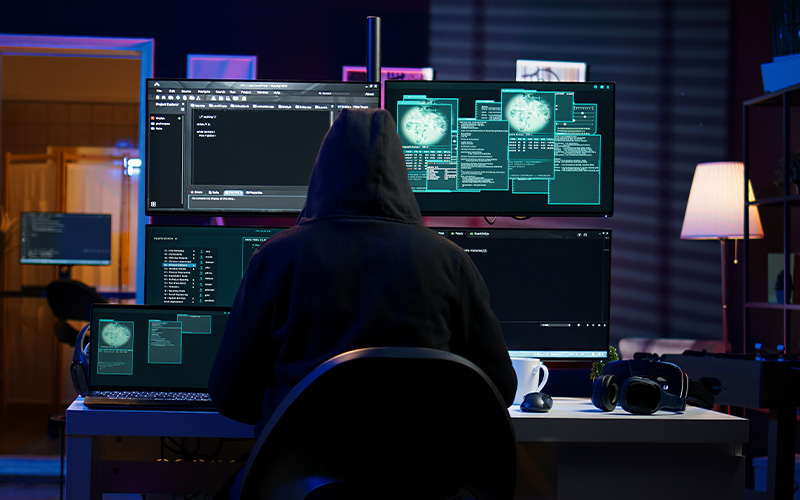
Think hackers just drop clues like breadcrumbs? Not quite. The smart ones use sophisticated methods to disappear into the digital shadows. Here are just a few ways they try to stay hidden:
- Data wiping software: Permanently erases files to prevent recovery.
- VPNs and proxy servers: Mask IP addresses and location data.
- Encryption tools: Lock files and communications behind unbreakable codes.
- Anonymity networks: Use tools like Tor to stay off the radar.
- False trails: Intentionally plant misleading data to throw off investigators.
But that’s where cybercrime investigation tools come in. Experts rely on cutting-edge technology to:
- Reverse-engineer malware to understand how it works.
- Decrypt files and communication logs to uncover hidden evidence.
- Analyse system logs and metadata to identify suspicious patterns.
- Rebuild event timelines to trace how an incident unfolded.
In the world of digital forensics, no trail is ever truly invisible—it just takes the right tools to uncover it.
The Role of Digital Forensics in Building a Legal Case
Here’s the thing about digital evidence: it’s fragile. If mishandled, even unintentionally, it can be ruled inadmissible in court. That’s why professionals in this field follow strict legal procedures to build a chain of custody, as well as ensure data integrity and objectivity.
But their work doesn’t stop at the lab. These investigators often play a key role in legal proceedings by:
- Preparing detailed forensic reports that explain findings in a clear, court-friendly manner.
- Testifying as expert witnesses to present technical evidence in legal proceedings.
- Assisting law enforcement in building strong, evidence-based cybercrime cases.
Whether it’s cyber fraud, data theft, or online harassment, digital forensics is often the backbone of a successful prosecution.
How to Start a Career in Digital Forensics

You don’t need to be a hacker or a coder to begin—just a curious mind and strong problem-solving skills. If you’re interested in launching your journey, a good first step is taking a cyber security course for beginners. At PSB Academy, our programmes are designed to help students gain practical skills in network defence, digital investigations, and threat detection.
For those who are just starting out, the Diploma in Cyber Security at PSB Academy provides foundational knowledge. The course also offers students the chance to earn up to four EC-Council certifications, aimed at preparing them for globally recognised roles in digital forensics and cybersecurity.
Besides, our Bachelor of Science with Honours in Cyber Security (awarded by Coventry University) includes modules on computer forensics, data structures, and even Internet of Things (IoT) security. Students can also gain professional insights from experienced, certified lecturers from EC-Council, bringing real-world expertise into every lesson.
Conclusion: The Future Needs Digital Detectives
Cybercrime isn’t slowing down—and neither is the demand for digital detectives. As more of our world shifts online, the need for skilled professionals who can dig deep, trace digital breadcrumbs, and expose hidden threats will only grow.
If you're ready to be part of this high-impact field, this is where your journey begins. Explore PSB Academy’s cybersecurity courses in Singapore, and build the essential skills you need to help protect the digital world—one investigation at a time.
Get in touch with us today.