TOP
TOPElectrical and electronics engineers perform a critical role in today’s modern world, advancing the technology which drives much of the activity in our everyday lives – from heat, light and power to telecommunications and transport. The Bachelor Of Engineering With Honours In Electrical And Electronic Engineering programme gives students the opportunity to gain knowledge, understanding and skills necessary for the generation, distribution, application and control of electrical energy used by industries as diverse as aerospace and automotive, chemical and construction.
-

 Coventry University
Bachelor of Engineering with Honours in Electrical and Electronic Engineering
Scroll Down
Programme Overview
The Bachelor Of Engineering With Honours In Electrical And Electronic Engineering programme gives students the opportunity to gain knowledge, understanding and skills necessary for the generation, distribution, application and control of electric
-

Study Modes
Full-Time/ Part-Time
-

Academic Level
Bachelor's Degree
-

Intake months
March, July and November
-

Course Duration
Full-Time: 24 Months*
Part-Time: 36 Months^
*Possible completion in 8-16 months
^Possible completion in 12-24 months -

Estimated Course Fees
S$13,472.40-S$26,944.80**
**Displaying course fees from Academic Year 2 to Academic Year 3. -

Mode of Delivery
Blended (In-campus & online)
Introduction
Course Highlights
-

Blended Learning
Classes are delivered through both on-campus and online modalities.
-

Industry Immersion
Participate in technical talks, networking sessions and professional development activities through engineering bodies such as the Institution of Engineers, Singapore (IES) and Institution of Engineering and Technology (IET). These engagements offer exposure to current developments in electrical and electronics engineering.
-

Learn from Industry Practitioners
Modules are taught by lecturers with industry and academic experience, allowing you to understand how engineering concepts are applied in real projects. Their guidance helps bridge theory with workplace expectations.
-

Purpose-built STEM Campus
Access specialised engineering labs, project spaces and computing facilities equipped with tools and software used across the engineering sector. This enables hands-on learning and experimentation throughout your studies.
What’s Next After This Course?
Pursue Postgraduate Studies
Electrical engineering undergraduates who wish to deepen their expertise may consider progressing to advanced programmes such as a Master of Science in Renewable Energy Engineering or other engineering-related postgraduate qualifications.
Explore Professional Certification Pathways
With a recognised bachelor’s degree, you may be eligible to pursue professional accreditation or memberships with engineering bodies, depending on their requirements.
Advance Within Engineering and Technical Roles
Graduates already working in engineering-related fields may use this bachelor’s degree to move into supervisory, technical lead or project engineering roles.
Career Options in Electrical and Electronics Engineering
This degree prepares you for a variety of roles across industries that rely on electrical and electronics systems.
- Electrical Engineer
- Project Engineer
- Automation or Control Engineer
- Power Systems Engineer
- Test and Validation Engineer
- Technical Consultant
Potential Career Opportunities
Graduates may choose to pursue a future (but not limited to) in these departments/industries:
-

Research and Development Engineer
-

Control or Instrumentation Engineer
-

Test Engineer/ Electrical Power Engineer/Field Service Engineer
-
Project Engineer
Student Stories
-
test
 Studying at Coventry University gave me a strong technical foundation that continues to support me in my career. Beyond the engineering knowledge, the group-based modules helped me develop essential workplace skills such as communication, teamwork and adaptability.Alumni Class of 2017 | School of Engineering and TechnologyBachelor of Engineering with Honours in Electrical and Electronic Engineering, Coventry University
 -
test
 Don’t be afraid to make mistakes. Every mistake is a chance to learn and improve. Embrace failures as stepping stones toward success.Alumni Class of 2020 | School of Engineering and TechnologyBachelor of Engineering with Honours in Electrical and Electronic Engineering, Coventry University
 -
test
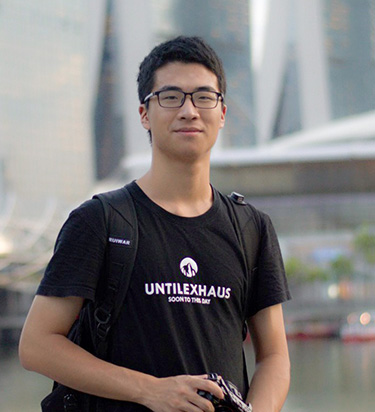 Open your mind to possibilities and be confident in your abilities.Alumni Class of 2025 | School of Engineering and TechnologyBachelor of Engineering with Honours in Electrical and Electronic Engineering, Coventry University
 -
test
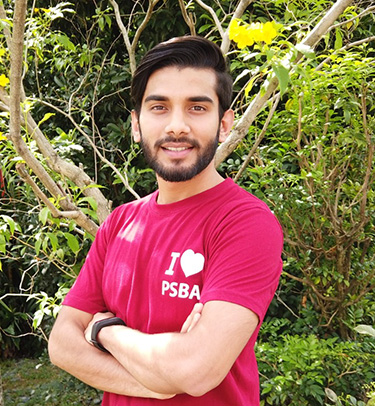 My educational journey with Coventry University at PSB Academy had a profound impact on my career growth in Artificial Intelligence (AI).Alumni Class of 2019 | School of Engineering and TechnologyBachelor of Engineering with Honours in Electrical and Electronic Engineering, Coventry University
 -
test
 Through this experience, I also grew as a person and found many qualities in me as I am now able to make better decisions based on what is best for my future, allowing me to be more forward-thinking.Alumni Class of 2021 | School of Engineering and TechnologyBachelor of Engineering with Honours in Electrical and Electronic Engineering, Coventry University
 -
test
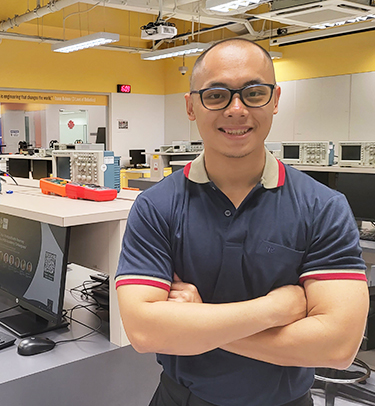 I want to tell my fellow engineering students to believe in themselves until the end.Alumni Class of 2021 | School of Engineering and TechnologyBachelor of Engineering with Honours in Electrical and Electronic Engineering, Coventry University
 -
test
 The lecturers are friendly, interactive, and willing to help us by giving us additional information.Alumni Class of 2024 | School of Engineering and TechnologyBachelor of Engineering with Honours in Electrical and Electronic Engineering, Coventry University
 -
test
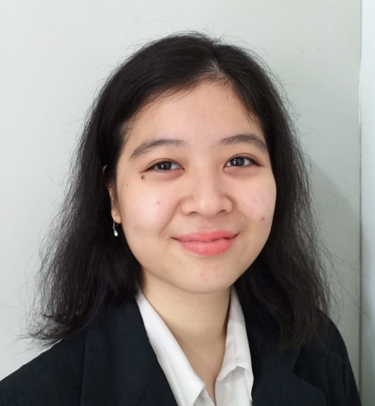 On top of that, networking and communication skills were equally important as I have to speak to various stakeholders.Alumni Class of 2021 | School of Engineering and TechnologyBachelor of Engineering with Honours in Electrical and Electronic Engineering, Coventry University
Duration
Students will be studying between 3 to 4 modules per trimester and complete within 8 to 16* months.
*Only for students with direct entry to academic year 2/ year3.
Learning Mode
Blended (In-Campus & Online)
Modules
Academic Year 1
- Introduction to Computer Engineering
- Analogue Circuits and Embedded Systems
- Engineering Mathematics 1
- Electrical Engineering 1
- Academic Writing for Sciences
- Professional Skills
- Analogue and Digital Electronics 1
Academic Year 2
- Analogue and Digital Electronics 2
- Engineering Mathematics 2
- Control and Instrumentation 1
- Electrical Engineering 2
- Embedded System Design and Development
- Manufacture of Electronic Systems for Regulatory Compliance
- Effective Communication Skills 2
Academic Year 3
- Advanced Electronics
- Advanced Digital Systems
- Individual Project Preparation
- Individual Project Realisation
- Academic Writing 3: Writing Skills for Dissert and Res Prj
Academic Year 3 (Optional Modules - Choose Two)
- Power Systems
- Control and Instrumentation 2
- Power Semi-Conductor Devices and Convertors
Mode of Assessment
Assessment for this programme may include assignments, tests, projects and final examinations.
Assessment methods are subject to the University’s revision.
Intakes
Intake months:
- March
- July
- November
Minimum Class Size
- 10
Maximum Candidature
- 4 years
Graduation Requirements
Graduation Requirements: https://www.psb-academy.edu.sg/student-resources/student-policies/#course-criteria
Duration
Students will be studying between 3 to 4 modules per trimester and complete within 12 to 24* months.
*Only for students with direct entry to academic year 2/ year 3.
Learning Mode
Blended (In-Campus & Online)
Modules
Academic Year 1
- Introduction to Computer Engineering
- Analogue Circuits and Embedded Systems
- Engineering Mathematics 1
- Electrical Engineering 1
- Academic Writing for Sciences
- Professional Skills
- Analogue and Digital Electronics 1
Academic Year 2
- Analogue and Digital Electronics 2
- Engineering Mathematics 2
- Control and Instrumentation 1
- Electrical Engineering 2
- Embedded System Design and Development
- Manufacture of Electronic Systems for Regulatory Compliance
- Effective Communication Skills 2
Academic Year 3
- Advanced Electronics
- Advanced Digital Systems
- Individual Project Preparation
- Individual Project Realisation
- Academic Writing 3: Writing Skills for Dissert and Res Prj
Academic Year 3 (Optional Modules - Choose Two)
- Power Systems
- Control and Instrumentation 2
- Power Semi-Conductor Devices and Convertors
Mode of Assessment
Assessment for this programme may include assignments, tests, projects and final examinations.
Assessment methods are subject to the University’s revision.
Intakes
Intake months:
- March
- July
- November
Minimum Class Size
- 10
Maximum Candidature
- 4 years
Graduation Requirements
Graduation Requirements: https://www.psb-academy.edu.sg/student-resources/student-policies/#course-criteria
Academic Requirements
Entry via Year 1
- Obtained at least three GCE A-Level subjects which must include Mathematics and a Physical Science or related subject such as Electronics, Design and Technology, ICT, or similar; or equivalent.
- Successful completion of PSB Academy’s
•Certificate in Engineering and Information Technology
•Certificate in Engineering Foundation
•Certificate in Engineering Foundation (E-Learning)
Entry via Year 2
• Local Polytechnic Diploma in Engineering (in relevant disciplines) or similar; or
• Diploma/Advanced Diploma in Engineering (in relevant disciplines) pathway programmes or equivalent, awarded by a recognised private education institution.
Note: Successful completion of the following PSB Academy’s Diploma programme will be eligible for direct entry into Year 2.
• Diploma in Electrical Engineering Technology
Entry via Year 3
• Applicants may be eligible for direct entry into Year 3 with a local Polytechnic Diploma in a closely related discipline. Such applications will be considered on a case-by-case basis in consultation with Coventry University link tutors.
Applicants with any other non-standard qualifications may apply but will be assessed on acase-by-case basis by PSB Academy and Coventry University.
Minimum age: 16 years old
English Language Requirement
- English Language at GCE O-Level English Language, grade C or above; or
- Successfully complete PSB Academy’s Certificate in English Proficiency Level 5; or
- IELTS score of 6.0 or equivalent
Academic Requirements
Entry via Year 1
• Obtained at least three GCE A-Level subjects which must include Mathematics and a Physical Science or related subject such as Electronics, Design and Technology, ICT, or similar; or equivalent.
Entry via Year 2
• Local Polytechnic Diploma in Engineering (in relevant disciplines) or similar; or
• Diploma/Advanced Diploma in Engineering (in relevant disciplines) pathway programmes or equivalent, awarded by a recognised private education institution.
Note: Successful completion of the following PSB Academy’s Diploma programme will be eligible for direct entry into Year 2.
• Diploma in Electrical Engineering Technology
Entry via Year 3
• Applicants may be eligible for direct entry into Year 3 with a local Polytechnic Diploma in a closely related discipline. Such applications will be considered on a case-by-case basis in consultation with Coventry University link tutors.
Applicants with any other non-standard qualifications may apply but will be assessed on a case-by-case basis by PSB Academy and Coventry University.
Minimum age: 16 years old
English Language Requirement
- English Language at GCE O-Level at grade C or above; or
- Successfully complete PSB Academy’s Certificate in English Proficiency Level 5; or
- IELTS score of 6.0 or equivalent
International Qualifications
Full-Time Course Fees
Singapore-based Students
- Academic Year 1 Entry: S$40,417.20
- Academic Year 2 Entry: S$26,944.80
- Academic Year 3 Entry:: S$13,472.40
Payment Instalments: 2 per Academic Year
Progressing Students (Singapore-based)
- Academic Year 2 Entry: S$26,944.80
- Academic Year 3 Entry:: S$13,772.00
Payment Instalments: 2 per Academic Year
International Students
- Academic Year 1 Entry: S$40,417.20
- Academic Year 2 Entry: S$26,944.80
Payment Instalments: 1 per Academic Year
Note: All fees are subject to annual revision.
T&Cs apply, refer to : https://www.psb-academy.edu.sg/becoming-a-student/promotions
Other Mandatory Fees
Singapore-based Students
- Application Fee (New Students): S$160.00
- Student Development and Administration Fee:
- New Students: S$430.00
- Progressing Students: S$430.00
International Students
- Application Fee (New Students): S$490.00
- Student Development and Administration Fee:
- New Students: S$1,280.00
- Progressing Students: S$580.00
Note: All fees are subject to annual revision.
Miscellaneous Fees
Part-Time Course Fees
Singapore-based Students
- Academic Year 1 Entry: S$40,417.20
- Academic Year 2 Entry: S$26,944.80
- Academic Year 3 Entry: S$13,472.40
Payment Instalments: 2 per Academic Year
Progressing Students (Singapore-based)
- Academic Year 2 Entry: S$26,944.80
Payment Instalments: 2 per Academic Year
Note: All fees are subject to annual revision.
T&Cs apply, refer to : https://www.psb-academy.edu.sg/becoming-a-student/promotions
Other Mandatory Fees
Singapore-based Students
- Application Fee (New Students): S$160.00
- Application Fee (Progressing Students): Application fee waived
Note: All fees are subject to annual revision.
Miscellaneous Fees
Frequently Asked Questions
-
What is the learning experience like for electrical engineering undergraduates?
Students can expect a mix of applied learning, problem-solving activities, digital simulations, and project-based work. The blended delivery model allows you to learn both online and on campus, giving you space to balance theory with practical understanding.
-
How are students assessed in this Bachelor of Electrical Engineering programme?
Assessment methods may include written assignments, lab-based tasks, design projects, case studies and examinations. This combination is designed to evaluate both conceptual understanding and your ability to apply key principles in real-world contexts.
-
Is this programme suitable for working professionals looking to upgrade?
Yes, the part-time pathway is ideal for working professionals who want to advance their skills in electrical and electronics engineering. Lessons are scheduled outside regular working hours, allowing you to progress through the curriculum without disrupting your full-time job.
-
What kind of support does PSB Academy provide to their students in electrical and engineering?
PSB Academy provides access to academic support, online learning resources, and guidance from lecturers with industry experience. Career services are also available to help learners explore internship or employment opportunities.
Enquire Now
Programme Consultants
-
 Janice Cheong
 09:00 - 18:00 (Monday - Friday) - Cathay Campus